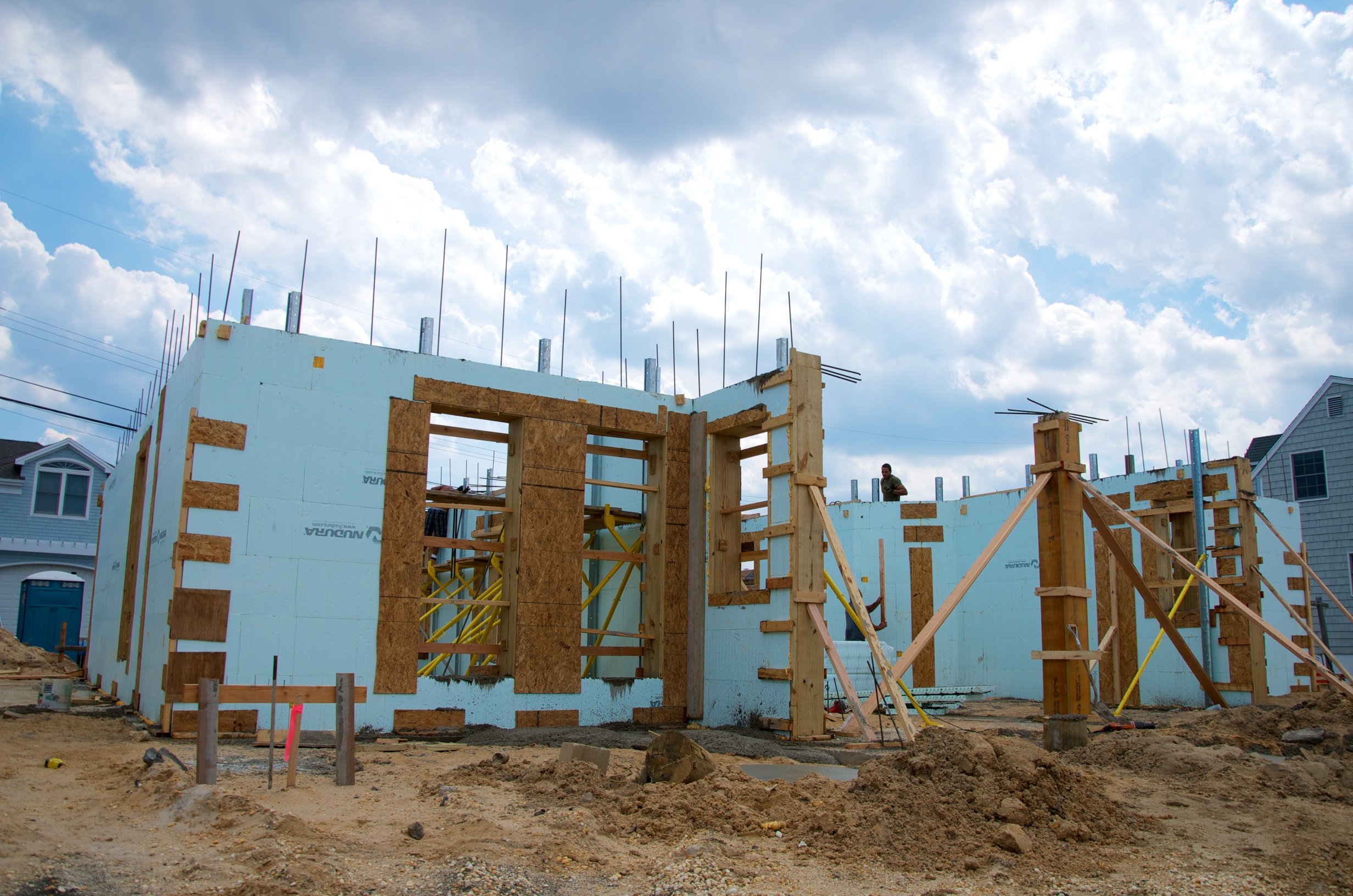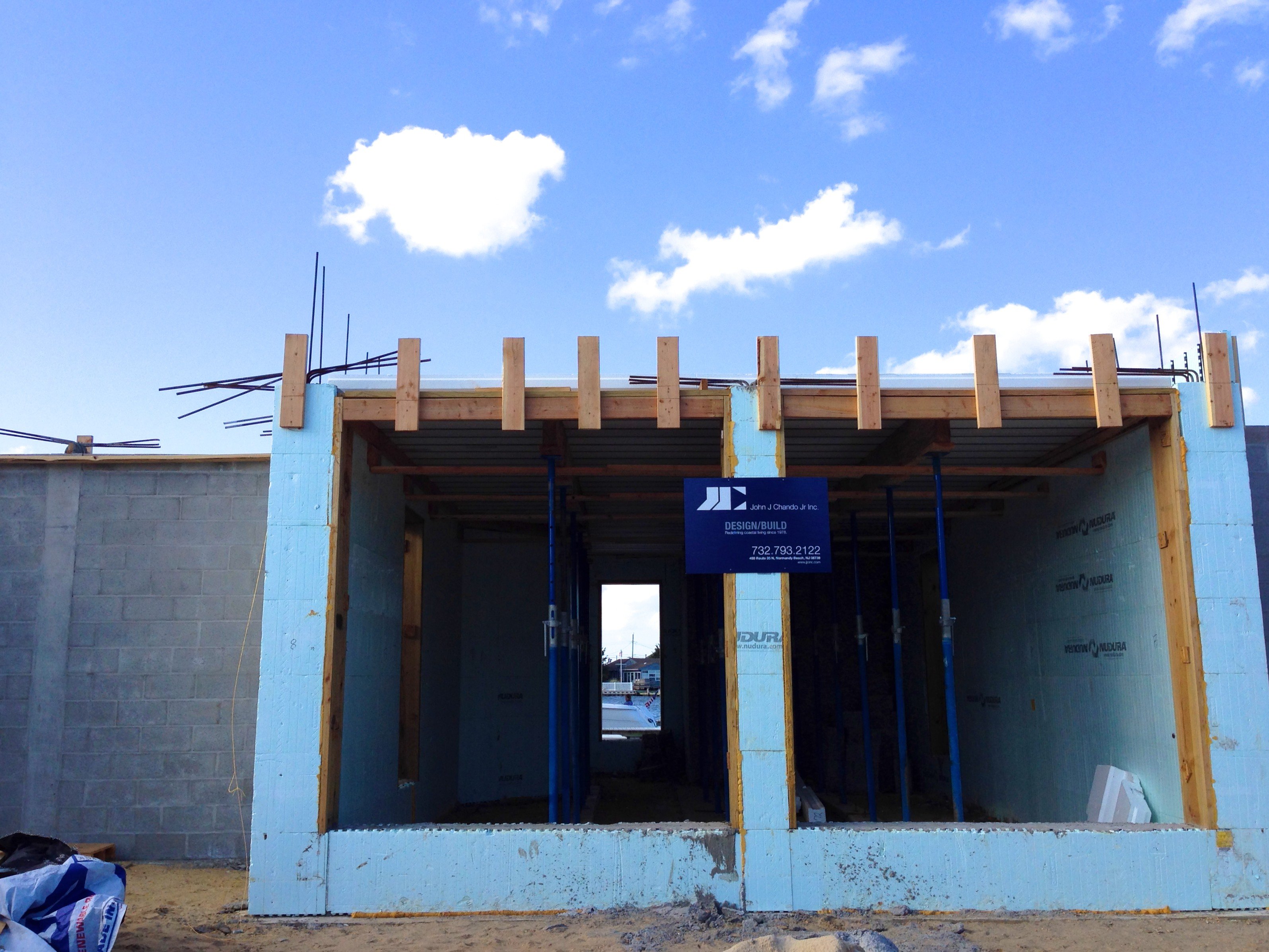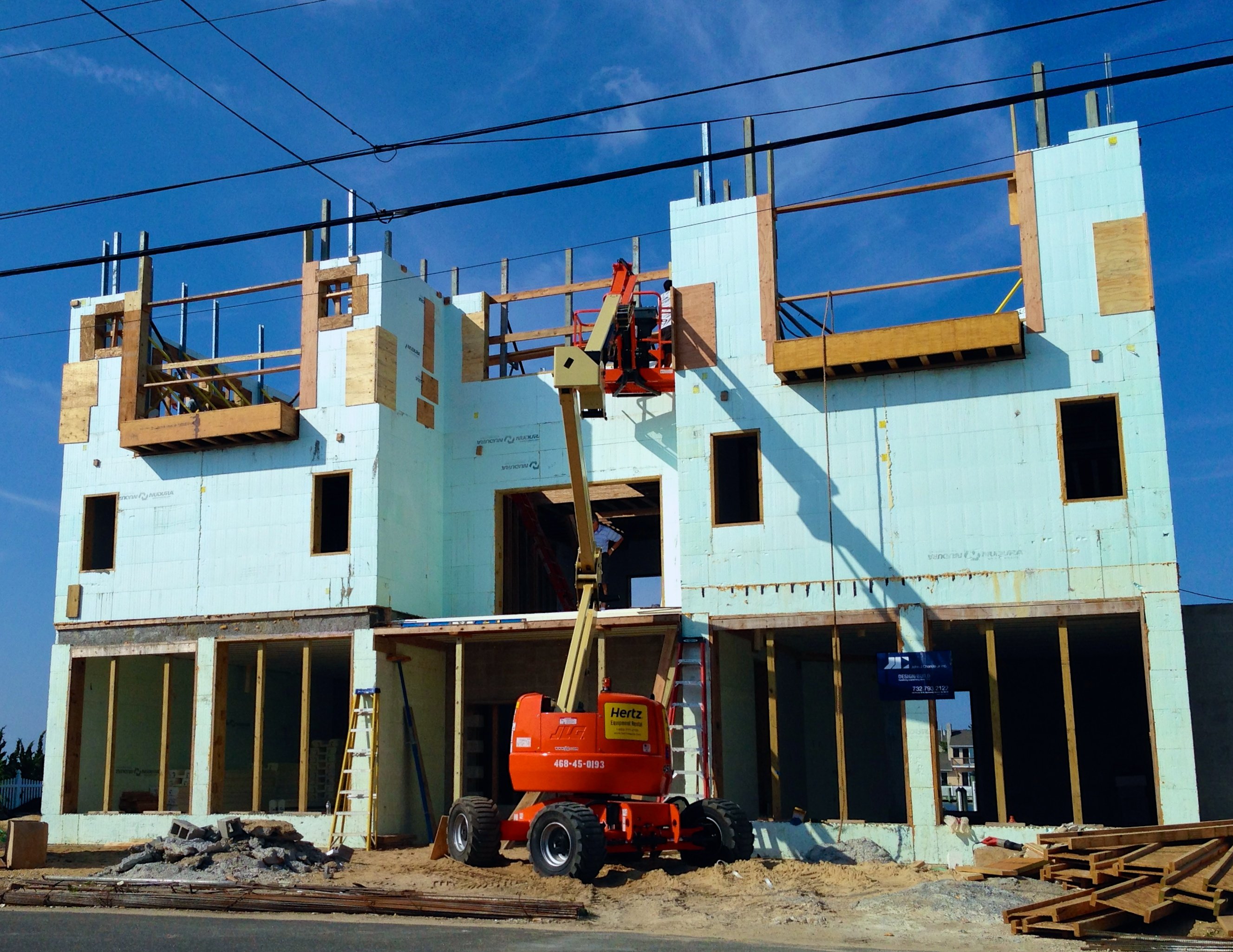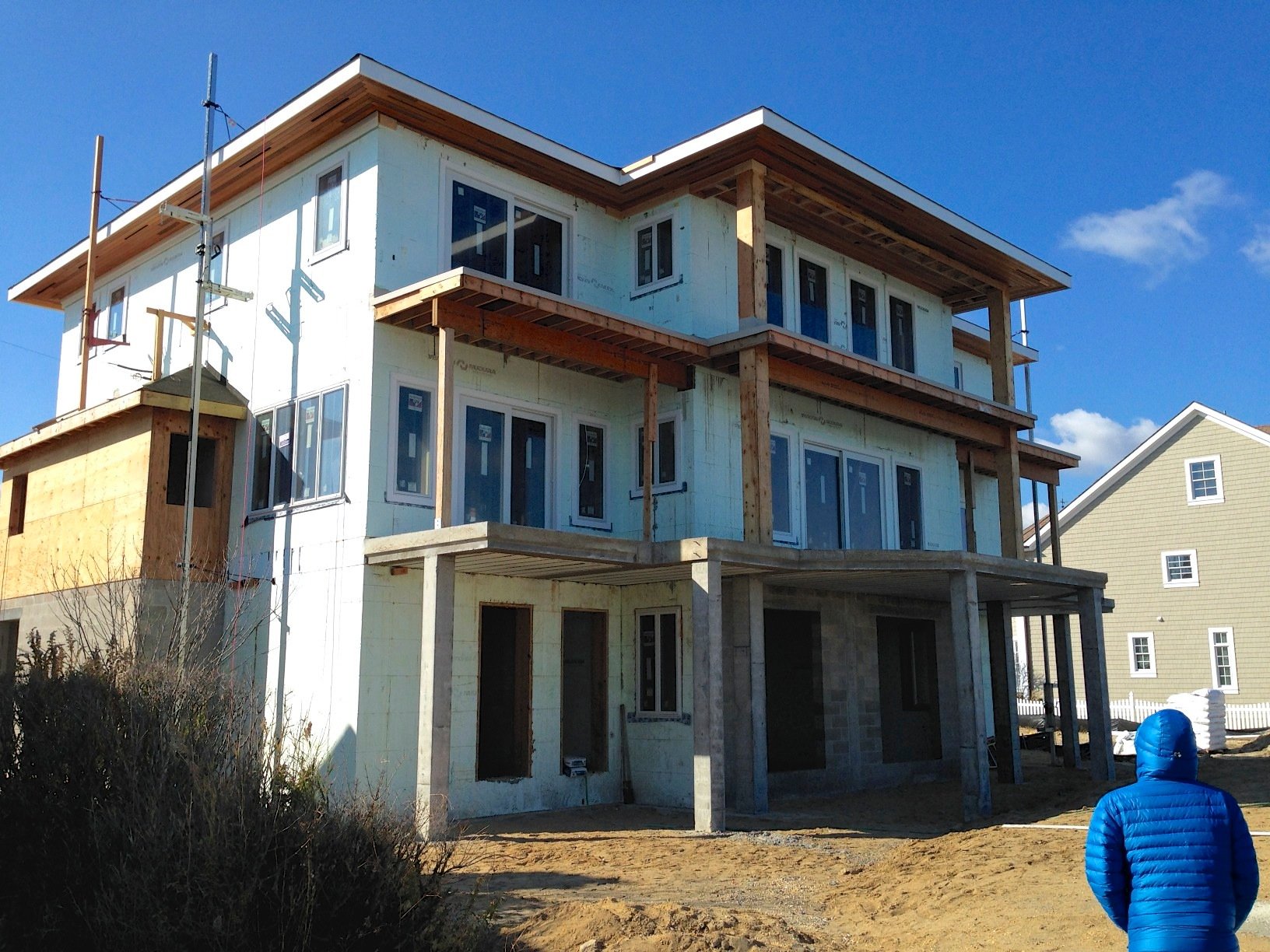
The three-little-pigs metaphor turns out to be more accurate than we'd like. A direct comparison of ICF concrete and stick-frame construction on the most hurricane-exposed coast in the country.
The advantages of building a house out of stone instead of straw or sticks have been drilled into most of us since childhood, courtesy of three pigs and one persistent wolf. Down the Jersey Shore, homeowners have bigger problems than bacon-hungry wolves — but the underlying lesson holds up surprisingly well.
We’re now well into fall, with winter coming. Down here that means hurricane season’s tail, then nor’easters, then snowstorms — sometimes all in the same week. Surviving that calendar requires a strong house.
The “most dangerous county in America”
A few years ago, Time Magazine named Ocean County, NJ the most dangerous place to live in the United States, citing the frequency of natural disasters. “Tidal surges and storms like Hurricane Sandy make this oceanfront county vulnerable,” the magazine wrote in its Answers Issue. They weren’t wrong. Sandy alone caused billions in damage to homes in the county.
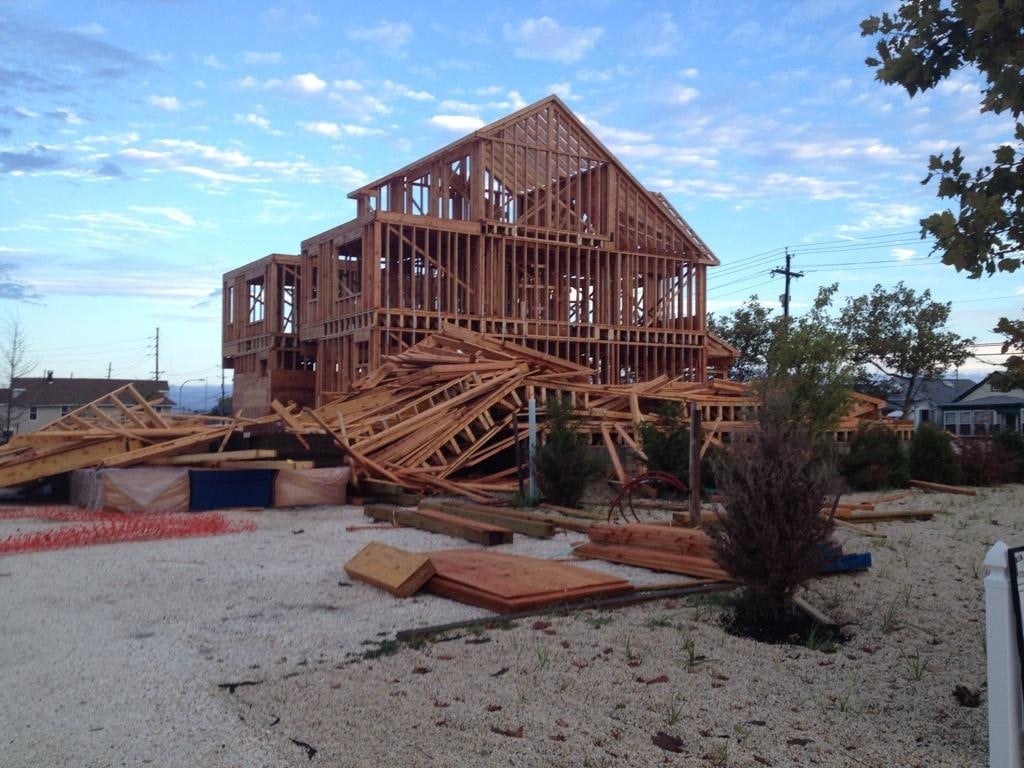
But you don’t need a named storm to lose a house. A few weeks before this was first written, neighbors watched a newly framed home in Seaside Heights collapse during an ordinary summer squall. We won’t speculate on the cause — somewhere in the load distribution, something went wrong — but the lesson is hard to miss: light-frame construction has a thinner safety margin on this coastline than most homeowners realize.
We believe building with concrete — specifically with insulated concrete forms (ICF) — is the right answer for sustainable, safe coastal construction. Here’s the side-by-side.
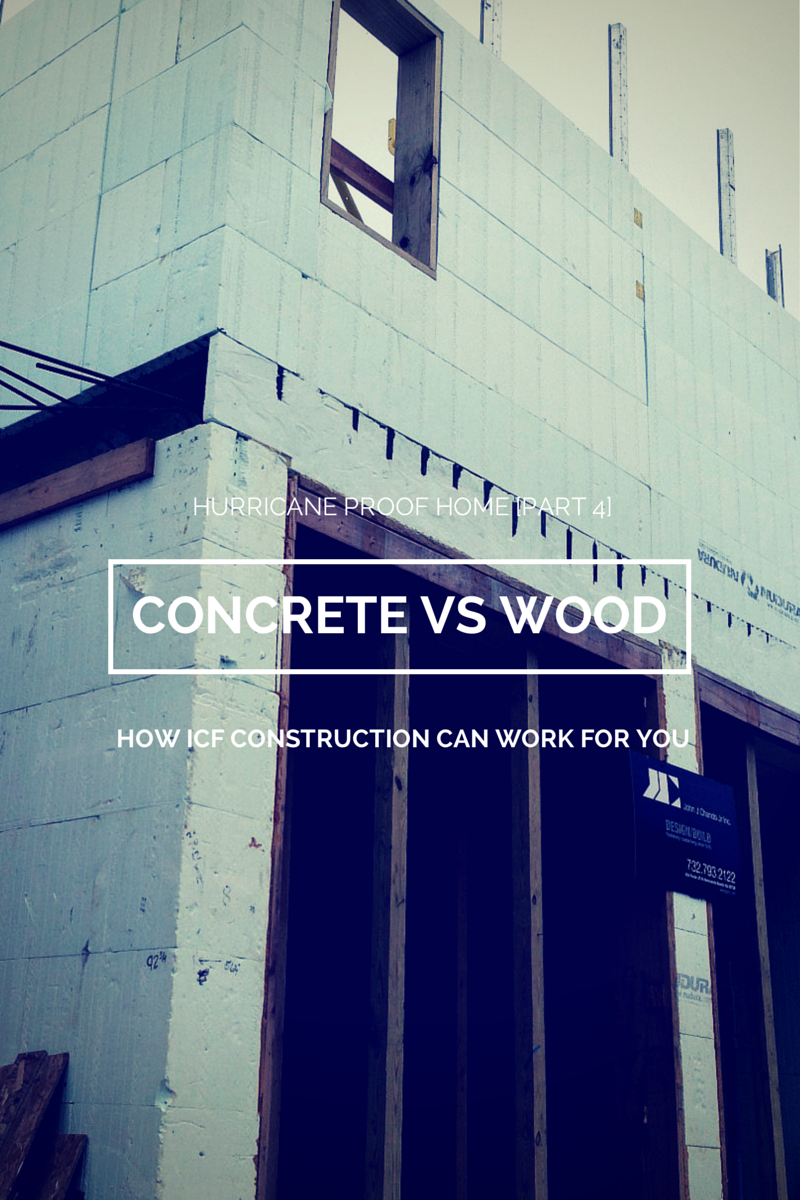
ICF vs. stick frame, head to head
| Performance | ICF wall | Wood-frame wall |
|---|---|---|
| Wind resistance | Up to 250 mph | Varies; well below ICF |
| Insulation value | Up to R-50 (thermal mass + foam) | ~R-20 (cavity insulation only) |
| Energy performance | 50–70% better than stick frame | Baseline |
| Fire rating | 4 hours | ~45 minutes |
| Mold growth potential | None | High when wet |
| Off-gassing | None | Adhesives, formaldehyde in manufactured wood |
ICF wall thicknesses range from 4 to 12 inches of concrete depending on the structural requirement. Compared to a typical 2×4 wood-framed wall with batt insulation, ICF doesn’t just win — it’s not in the same category for a coastal application.
Three things people forget about wood
Three points come up over and over in conversations with homeowners weighing the choice:
- Wood walls retain moisture. After Sandy, our crews found extensive mold growth inside damaged stick-frame homes — even homes the owners thought had dried out completely. Concrete walls don’t have this failure mode. They don’t feed mold, and after a flood event they don’t need to be opened up and stripped to studs.
- Wood walls aren’t quiet. The mass of an ICF wall absorbs sound on a coastline where wind is constant. Once you’ve spent a winter night inside one, you don’t go back.
- Walls are most of the surface area of your house. Whatever performance characteristic your walls have — thermal, acoustic, structural, fire, mold — that’s what most of your house is. ICF turns the largest surface in your home into your strongest asset.
For homes in coastal environments — Ortley Beach, Mantoloking, Bay Head, Lavallette, anywhere you can hear the surf — insulated concrete forms are simply the most energy-efficient, safest, and strongest way to build. We’ve been doing it long enough on this stretch of coast to recommend it without reservation.