V-zone, A-zone, BFE, ABFE — the alphabet soup that determines whether your Jersey Shore home gets pilings or perimeter walls, and what your flood insurance is going to cost for the rest of your life.
The post-Sandy era brought sweeping revisions to the FEMA flood maps for the Jersey Shore. Some of the most aggressive V-zone expansions were later pulled back, but the framework they put in place still governs how — and how high — homes here have to be built. If you own coastal property on the New Jersey Shore, the maps are now part of every important decision you’ll make about your home.
Here’s the practical version of what they mean.
V-zone vs. A-zone
The two zone classifications you’ll encounter on coastal Jersey Shore property are V-zones and A-zones. The distinction is about wave action.
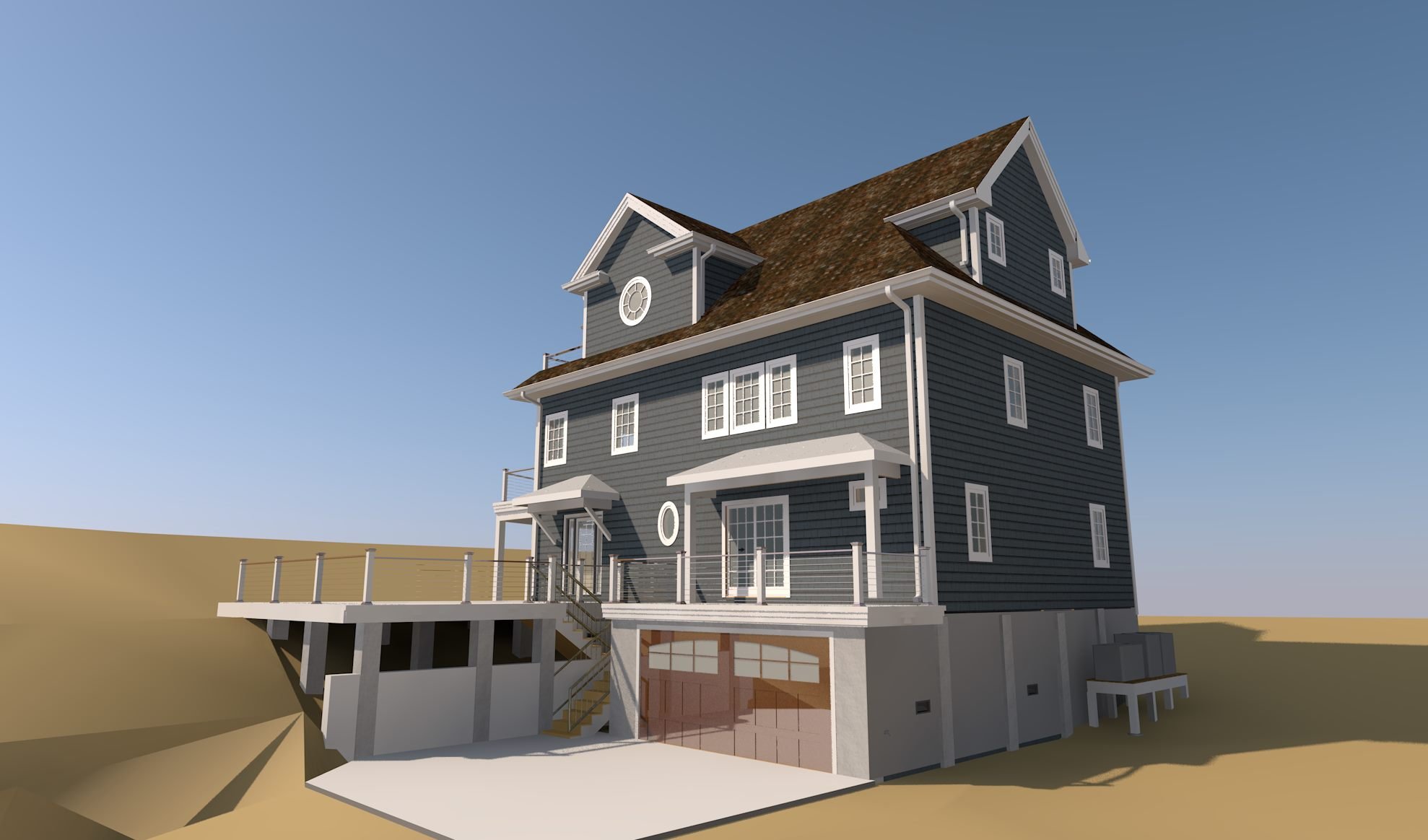
- V-zones are areas where wave heights of three feet or more are expected during the base flood. Construction here must use pilings (helical or driven wood) and breakaway walls under the elevated living space — walls designed to fail before transferring load to the foundation. (See our Hurricane-Proof Home Part 2 for the breakaway wall details.)
- A-zones are flood-prone areas without significant wave action. Conventional perimeter wall foundations are acceptable here, which is much closer to standard inland construction.
When the post-Sandy maps came out, V-zone designations expanded significantly across the shore. Some of that was rolled back in subsequent revisions — easing construction requirements for many properties — but in a number of cases the Base Flood Elevation (BFE) also dropped back to pre-Sandy levels.
Our take on the BFE numbers
We don’t fully agree with the rollback. Some homes that conformed to the old flood elevations before Sandy still flooded during Sandy. Even if you classify Sandy as a 500-year event, the data point exists: homes at those elevations got water inside.
If you’re going through the cost and disruption of lifting your home anyway, our recommendation is to go at least one foot above the post-Sandy flood elevation — regardless of what your current FEMA-issued BFE specifies. The marginal cost of that extra foot is small relative to the cost of lifting the home in the first place. The marginal protection is enormous.
How high do you need to be?
The answer is specific to your lot:
- Get an elevation certificate from a surveyor. This establishes your home’s current first-floor elevation.
- Look up your BFE on FEMA’s flood-map service for your specific address.
- Add freeboard. Most townships now require at least one foot above BFE; we recommend more.
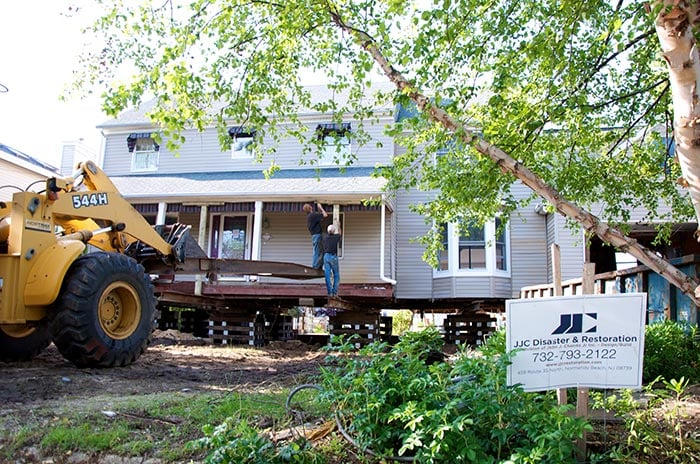
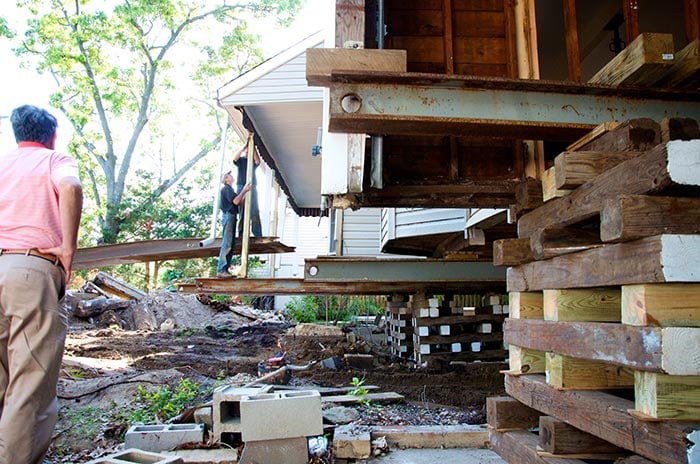
- Talk to a builder about how the lift works on your specific foundation and soil conditions — every site is different. (Our house lifting walkthrough shows what the process actually looks like.)
Are you required to comply?
There are a few clear triggers:
- Substantial damage — if your home was deemed more than 50% damaged by your township after a storm, code requires you to rebuild to the new elevation.
- Mortgage and flood insurance — if your home carries a mortgage and your lender requires flood insurance, the new flood maps determine what you’ll pay. Choosing not to comply with the new elevation while continuing to carry insurance can mean dramatic premium increases.
- No mortgage, no flood insurance — you can technically self-insure, but on a coastal lot in this risk environment, that’s a serious gamble.
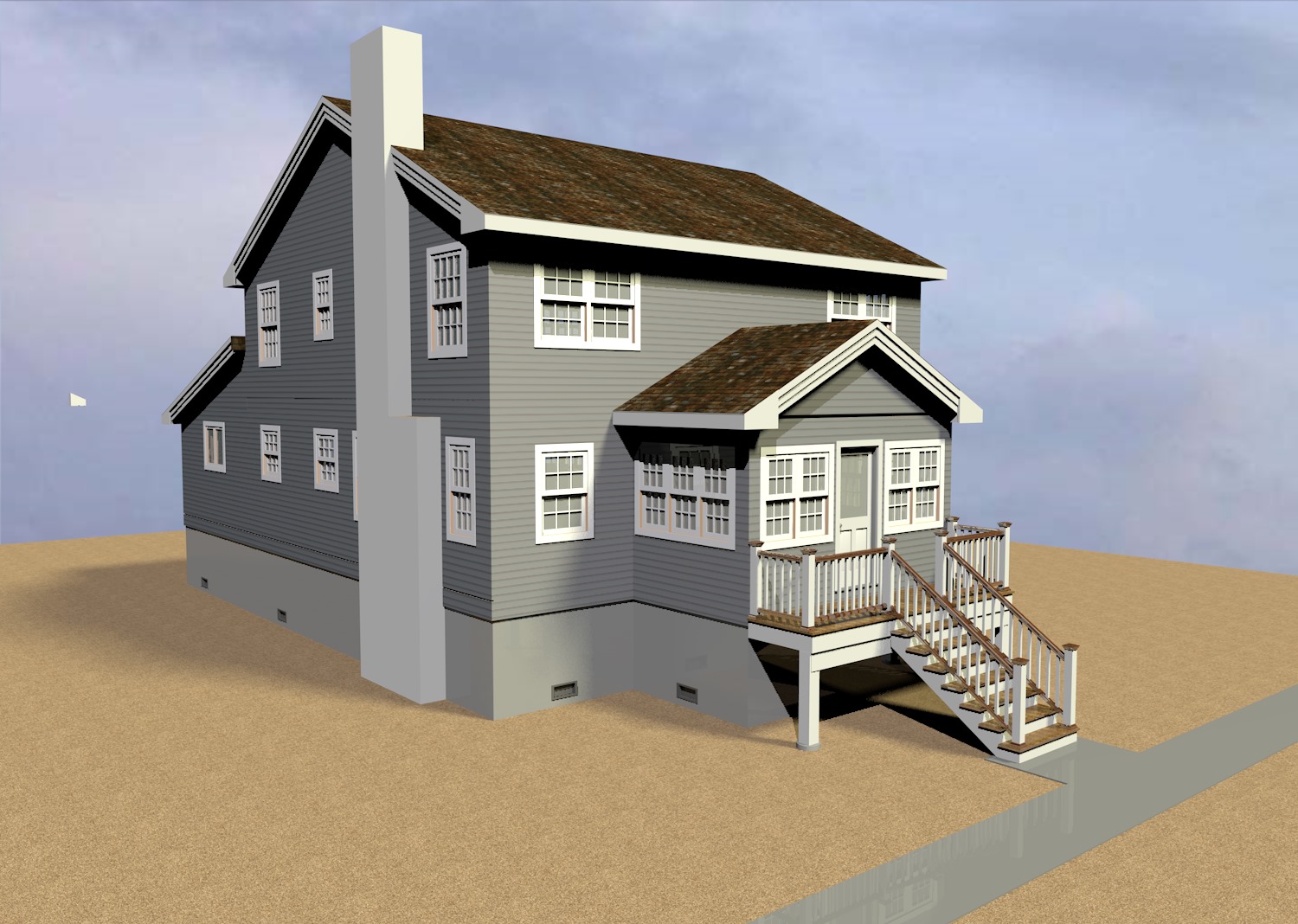
Related project
Normandy Beach House Lift
Toms River, NJ
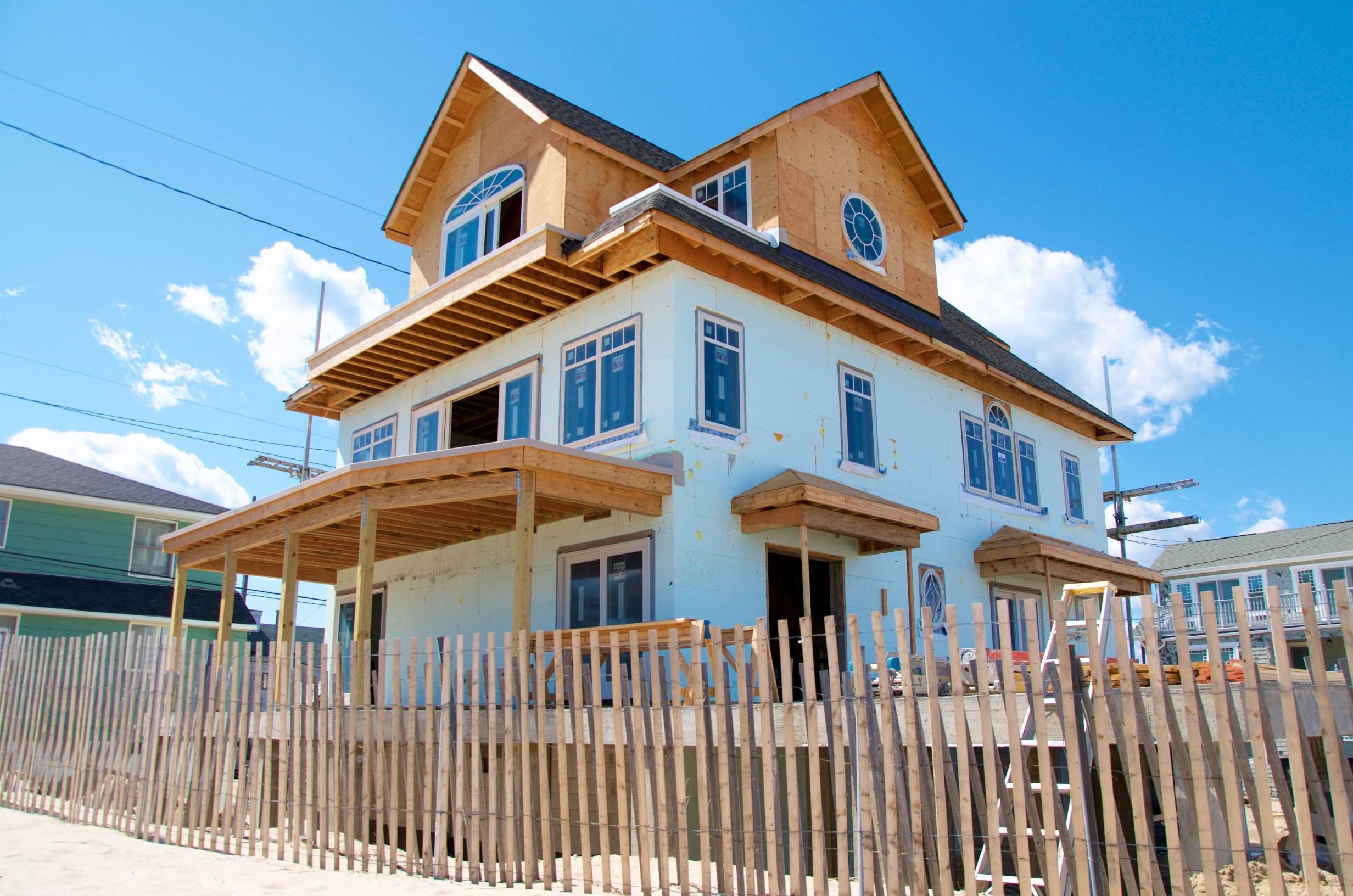
Normandy Beach house lift and elevation project in Toms River, NJ. Existing residence raised above flood elevation requirements with full design-build delivery by JJC Inc.
See the project →